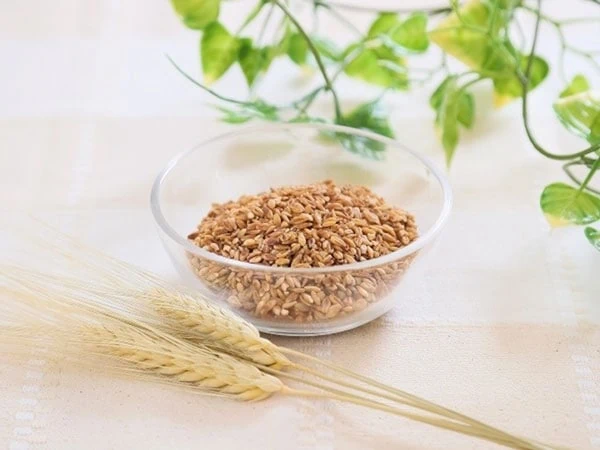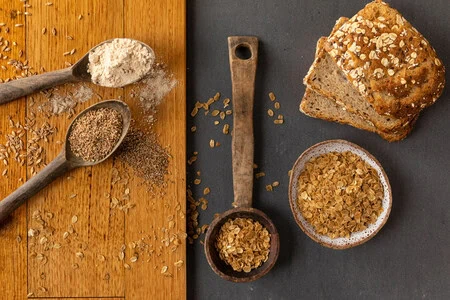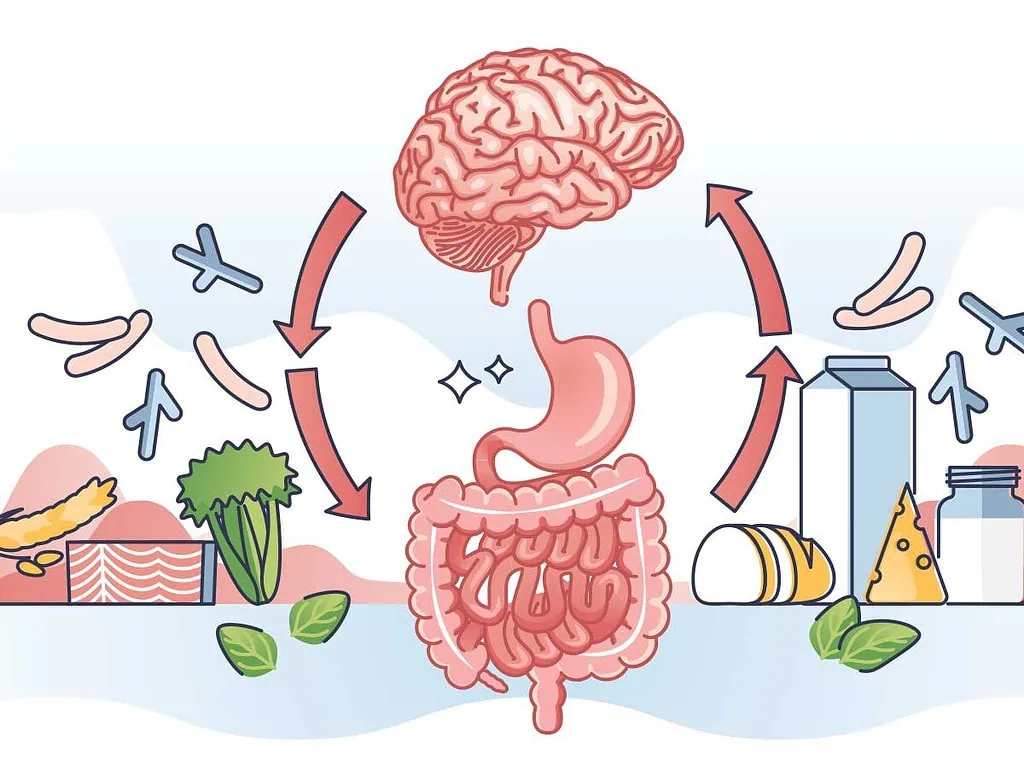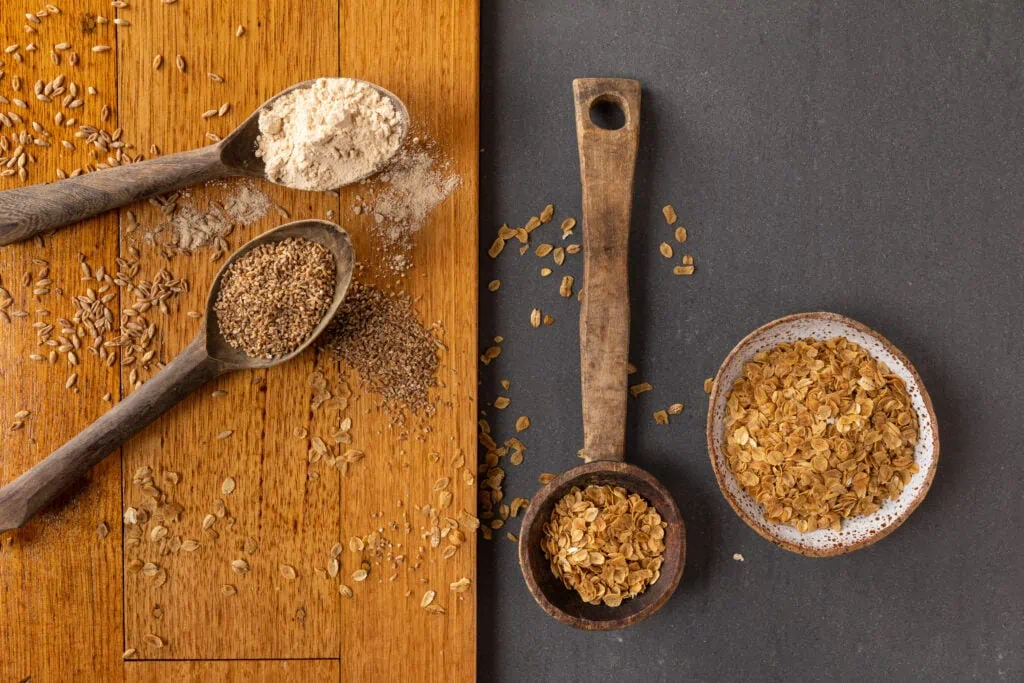

After 4 weeks, groups consuming WB (with or without BM) had a significant increase in the abundance of butyrate-producing bacteria and higher fecal levels of n-butyrate compared with groups who did not consume WB. While BM alone did not significantly raise butyrate producers on its own, combining BM with WB led to changes in the abundance of Bacteroides. These results indicate that WB is strongly effective at promoting butyrate-producing bacteria and butyrate production in the gut, and that combining BM with WB may further modulate gut microbial composition — though BM by itself had more modest effects in this particular study.