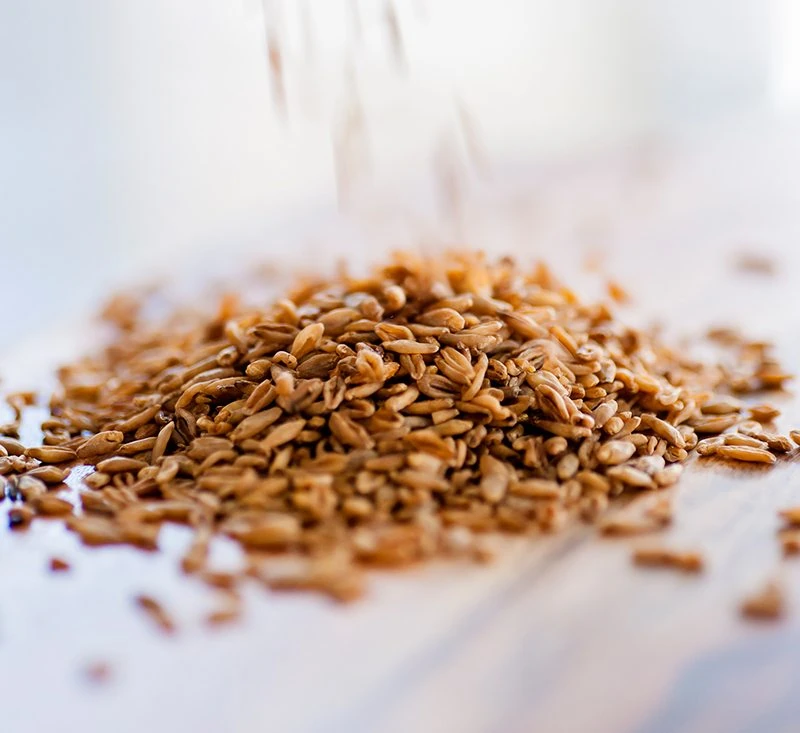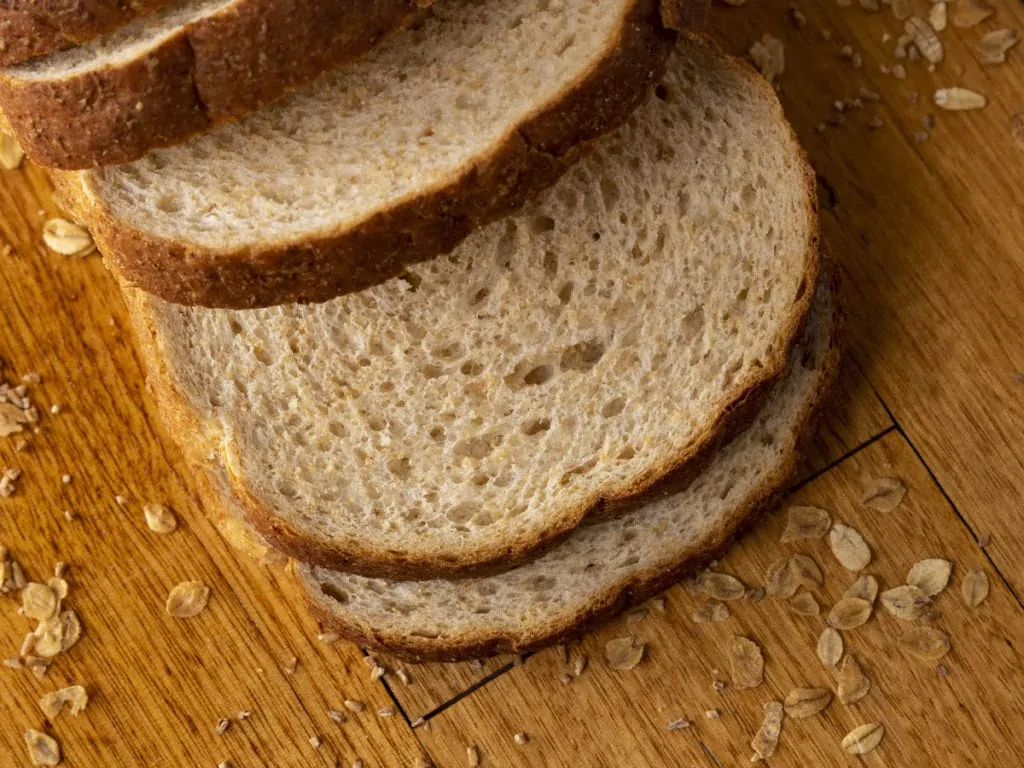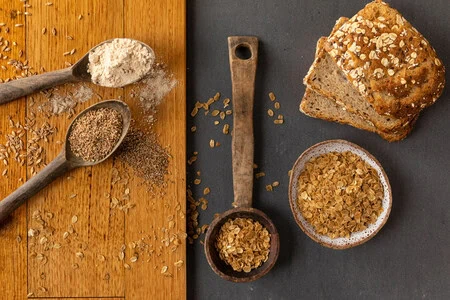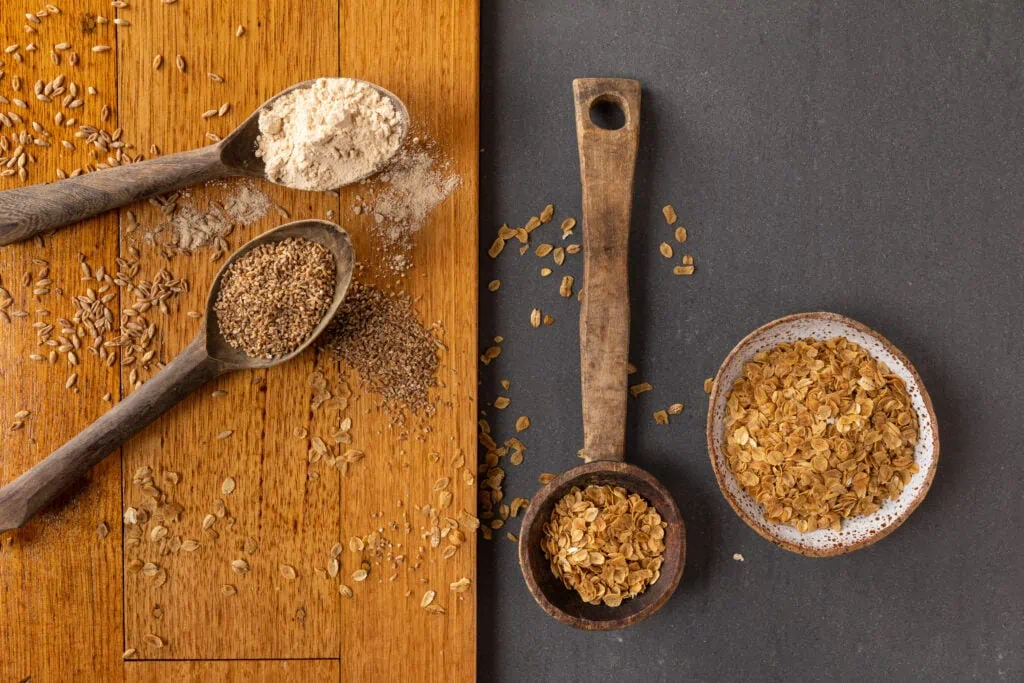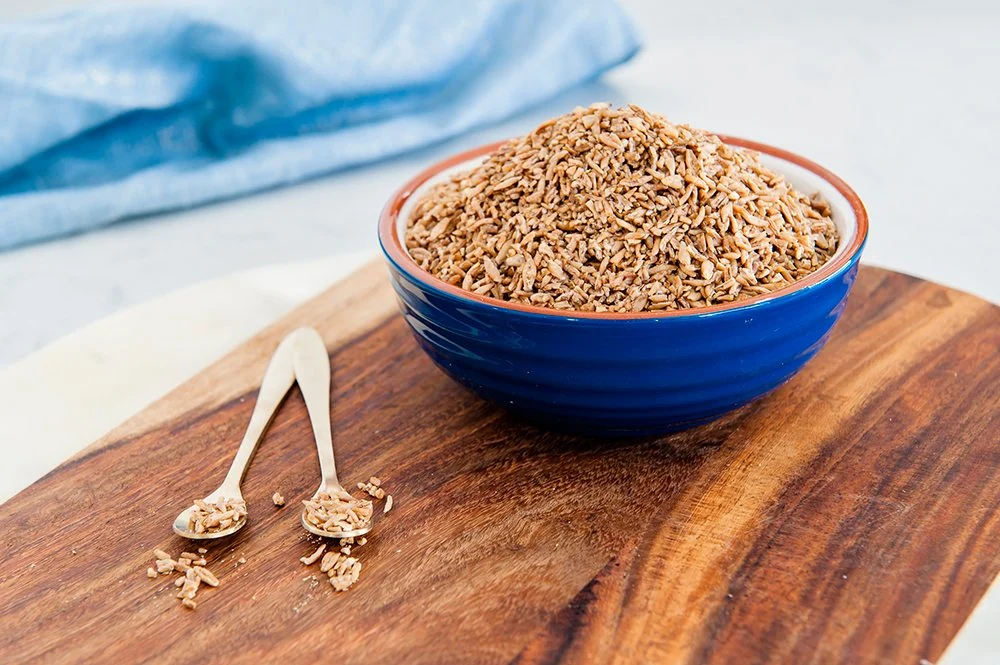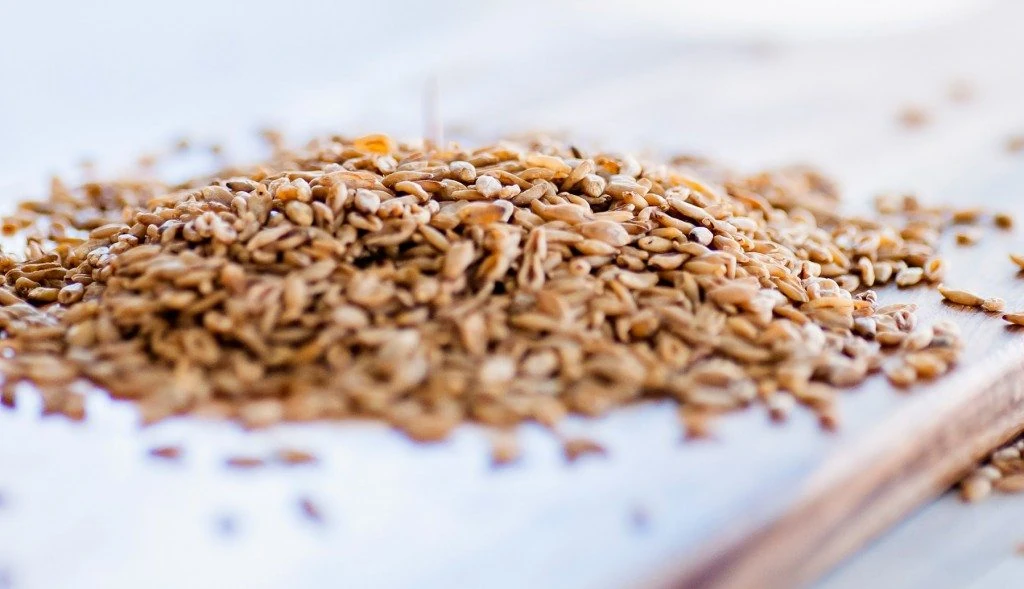

Compared with the wheat-based meals, the barley-based meals produced a 22% lower glycemic response (glucose AUC) and a 32% lower insulin response (insulin AUC). However, there was no difference in the thermic effect of food (TEF) or in subjective appetite ratings. Interestingly, participants ate more energy over the rest of the day after the barley meals (i.e. higher spontaneous intake) rather than less. Overall, this suggests that while meals made with high-amylose barley can lower post-meal blood sugar and insulin spikes compared with refined wheat meals, in this study those benefits did not translate into reduced calorie intake or improved satiety in the short term.